Alterations are the least glamorous part of buying a formal dress and the part that decides whether it looks right. A $600 gown fitted badly photographs worse than a modest one fitted well, and almost nobody is told what a seamstress can actually change before they choose the dress. So here is the plain version, from a shop that does the work on site.
What Can Be Changed, and What Cannot
Straightforward
- Taking in the side seams. The workhorse alteration. One to two sizes without losing the dress's shape.
- Hemming. Shortening is routine. Length is decided by the shoe, which is why the shoe has to come with you.
- Straps and shoulders. Shortening straps to lift a bodice into place is quick and transforms how a dress sits.
- Cups and padding. Sewing in cups removes the need for a bra under a strapless bodice.
- A modesty panel. Added into a plunging neckline or an open back. Common on prom and quinceañera gowns where a school or a parent has a view.
- Waist adjustment. Bringing the waist in is normal and makes more difference to the silhouette than anything else on this list.
Possible, but a bigger job
- Shortening the bodice. Needed more often than people expect, especially on petite frames where the waist seam lands too low. It is real work because it means reworking the structure above it.
- Reshaping a neckline. Raising or lowering it, changing a sweetheart to a straight line. Doable, but it changes the dress's design and needs discussing first.
- Adding sleeves or straps. Possible with matching fabric, and better if the fabric comes from the dress itself, for instance from a hem that is being shortened anyway.
- Taking a structured bodice in more than two sizes. Boning has to be moved, not just seams. It can be done and it is not cheap.
Hard, or not worth the money
- Letting a dress out. This is the one that surprises people. Letting out depends entirely on how much seam allowance the maker left, and on formalwear it is often almost none. Assume a dress cannot be made bigger.
- Rebuilding beaded or appliquéd panels. If a seam runs through heavy beading, the beads come off by hand and go back on by hand. That is hours of work, and the cost reflects it.
- Changing a dress's fundamental silhouette. A mermaid does not become an A-line. If you want an A-line, buy an A-line.
The one rule worth remembering: buy for your widest measurement and have the rest taken in. Buying small and hoping to let it out is the most expensive mistake in this category, and often it simply cannot be done.
How Long It Really Takes
The honest answer is that it depends on the dress, but here is the shape of it:
- A simple hem: a few days.
- A take-in through a structured bodice: longer, and usually two fittings, because the second adjustment depends on what the first one revealed.
- A full quinceañera or bridal gown: commonly six to eight weeks across two or three fittings. Multiple skirt layers, a boned bodice and often a corset back mean each pass has to be checked on the body.
But the number that matters more than any of these is where the work is done. Shipping a dress out for alterations adds weeks at each end regardless of how quick the sewing is. When alterations are done in house, a problem found at a fitting is a conversation and another visit. That is the whole difference, and it is the question to ask any shop: not "do you do alterations", but "where are they done".
Bring the Shoes. Always.
Two things make or break a fitting and both are things you bring with you:
The shoes, or something with the same heel height. Hem length is measured to the shoe. A hem cut for flats drags in heels and a hem cut for heels sits short in flats, and once it is cut it is cut.
The undergarments you will actually wear. A bodice fitted over the wrong bra fits nothing. This is not a detail, it is the single most common reason a fitted dress does not sit right on the day.
Add to that: come with your hair roughly as you plan to wear it if a neckline is in question, and be prepared to sit, stand and reach up in the dress. A dress that only works standing still is not a dress you can dance in.
Yes, We Will Alter a Dress You Bought Somewhere Else
Including one that arrived from an online order and does not fit. It is one of the most common things we see, particularly in the three weeks before prom, and there is no judgement in it.
One piece of practical advice: come in early rather than late. What decides whether a dress can be rescued is usually how much time is left, not how wrong the dress is. A bodice two sizes too big in February is a routine job. The same dress in the last week of April, in the busiest fortnight of our year, may not be.
Call (570) 354-6149 with your event date before you drive over, so we can check the schedule honestly rather than take the dress and disappoint you.
Where to Find Us
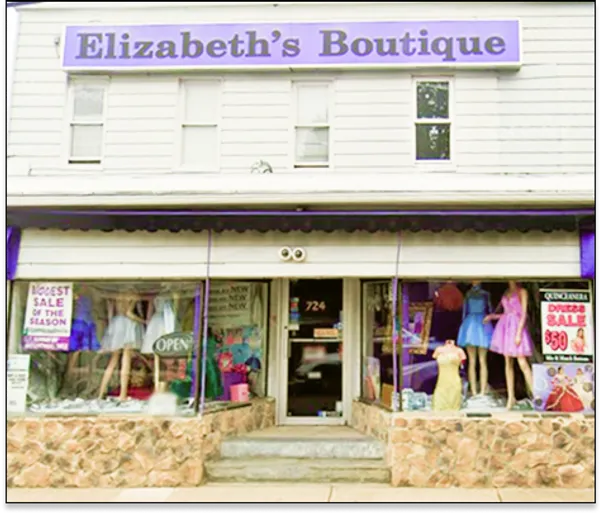
724 Cedar Avenue, Scranton, PA 18505, with free parking in our own lot behind the building. Walk in Monday, Tuesday or Thursday 12:30 to 6, or Saturday 11 to 3. We have been fitting formalwear here since 1994.
If you are still choosing a dress, our guide to sizes 000 to 28 covers what to buy so the alterations are simple, and the occasion pages are prom, homecoming and semi-formal, quinceañera, damas, Sweet 16, bridal, bridesmaids and mother of the bride.