The dress is the decision. Everything after it is assembly, and assembly is where a good look either comes together or quietly falls apart. This is the order to do it in, what actually matters at each step, and the small practical things that make the difference between a night you enjoy and a night you spend adjusting your hem.
1. Start with the Dress
Everything else is chosen against the dress, so nothing else can be settled until it is. Pick the shape before the color: shape decides whether you feel good in it, color decides how it photographs, and feeling good matters more over three hours.
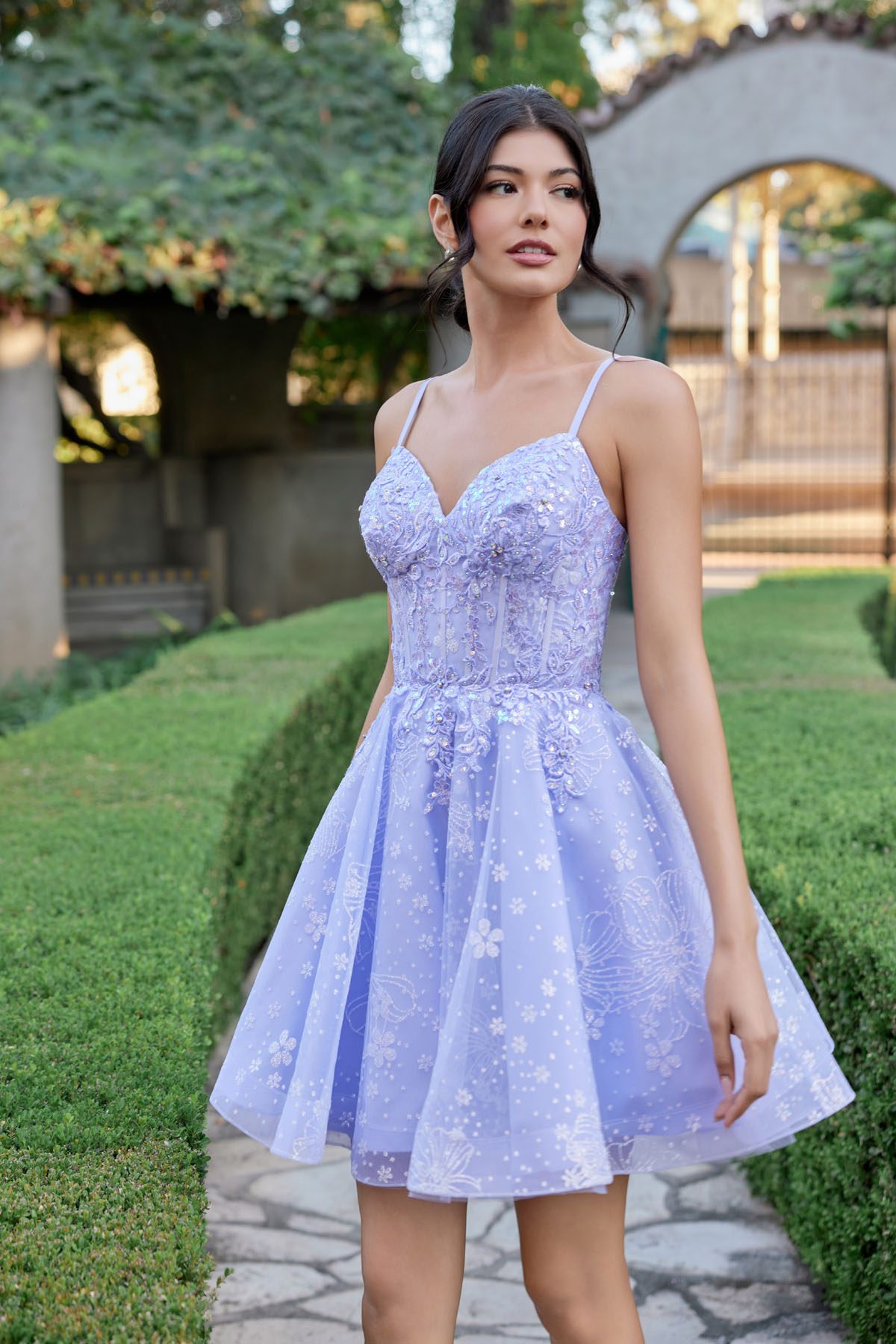
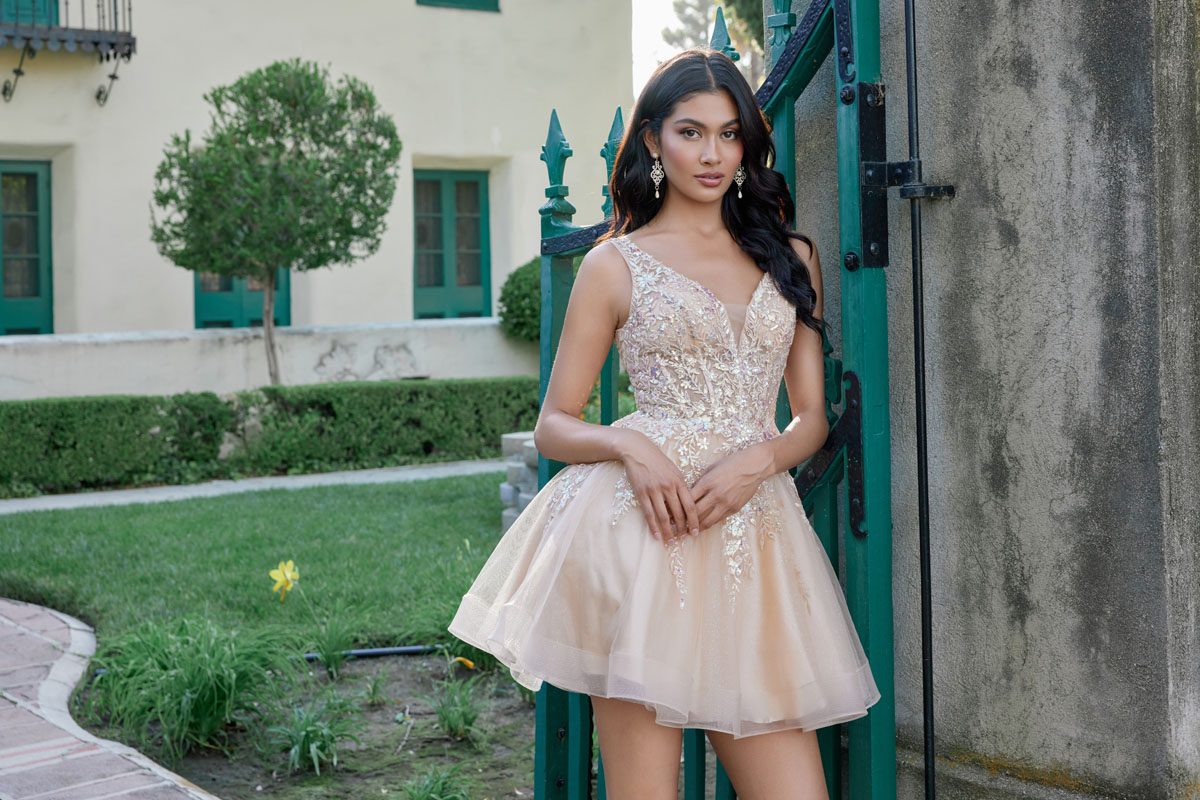
What is current for 2026, briefly: short dominates, the color story is brown from deep chocolate through soft mocha with metallic gold and silver as the loud alternative, and the shapes doing the work are fit and flare, corset bodices, two-piece sets and bodycon. Long sleeve minis are on trend and, in a NEPA October, genuinely practical.
Two things to do in the fitting room that people skip. Sit down in it, then stand up. And look at it under real store lighting as well as by the window, because a gym is lit badly and this year's browns in particular change character under different light.

2. Pick Your Vibe, Then Match to It
Decide what you are going for before you start buying the rest, because it makes every later decision faster. Not a rigid label, just a direction:
- Soft and romantic. Pastels, lace, tulle, floral embroidery. Pairs with loose curls, glowing skin, delicate jewelry.
- Sleek and modern. Satin, clean lines, a single strong color. Pairs with a sharp ponytail, defined eyes, one bold accessory.
- All the sparkle. Sequins, metallics, shine. Pairs with simple hair and simple jewelry, because the dress is already doing the talking.
- Edgy. Black, structure, corsets, a graphic liner. Pairs with almost nothing else, on purpose.
Once that is chosen, hair, makeup and accessories mostly choose themselves, and you stop second-guessing every individual piece.
3. Accessories, in Balance
One rule covers most of it: if the dress is loud, the jewelry is quiet, and if the dress is quiet, the jewelry gets to be loud. A heavily beaded dress with statement earrings and a bold necklace is three things competing for the same photograph.
Earrings are the highest-impact piece, because they sit right next to your face in every picture. Big hoops, drops, or sparkly studs depending on your direction.
Necklaces depend entirely on the neckline. A high neck or a halter usually wants nothing. A strapless or sweetheart neckline has room for something. This is why hair and jewelry come after the dress and not before.
Rings and bracelets show up more than you expect, because of how people hold a clutch and pose. Worth a small amount of thought.
A clutch is not optional in practice. It has to hold a phone, your ticket and the emergency kit in step seven. Pick one that adds a bit of shine or texture if the dress is plain.
4. Shoes You Can Actually Survive
The most common regret of the night, and the easiest to avoid.
You will be standing, walking across a car park, dancing, and standing again, for two to three hours, on a gym floor. A block heel or a platform is far more survivable than a stiletto and looks just as good in a photograph taken from six feet away.
The move plenty of people make, and it is entirely sensible: wear the good shoes for the photographs, then change into something comfortable once you are at the dance. Nobody is photographing your feet at 9pm.
One non-negotiable: bring the shoes to the dress fitting. The hem is cut to the shoe, a hem cut for flats drags in heels, and once it is cut it is cut.
5. Hair and Makeup
Decide these against the dress and the neckline, not before.
Hair up shows off a neckline and shoulders, and suits high necks, halters and anything with detail at the top. Hair down softens a structured dress and is the safer choice if you are not certain. Half up is the compromise that genuinely works.
For makeup, two broad directions. Soft glam: luminous skin, a flush of color, a neutral shimmer on the eye, a glossy lip, and lashes that do not look like a costume. Bolder: a smoky eye or a graphic liner with a matte lip in a deep berry or a classic red, and everything else kept simple.
One thing worth knowing: a gym is lit with overhead fluorescents, which flatten everything. A little more definition than you would wear in daylight reads as normal in that room, and a lot more reads as a lot more in the photographs. Somewhere in between is the target.
6. Do a Full Test Run
A few days before, do the whole thing: hair, makeup, dress, shoes, jewelry. All of it, at once.
This is the highest-value hour in the entire process and almost nobody does it. It tells you three things you cannot learn any other way: whether the look actually works together, what needs changing while there is still time to change it, and how long the whole thing takes, which is the one that saves the evening. Every rushed homecoming starts with somebody underestimating step five by an hour.
Take a photo at the end of the test run, with a flash and without. Screens see differently from mirrors and it is better to find that out on a Tuesday.
7. Pack the Emergency Kit
Small, unglamorous, and it is the difference between a problem and a disaster. In the clutch:
- Safety pins. Two or three. A strap goes, a hem catches, and this fixes it in thirty seconds.
- Fashion tape or double-sided tape. For a neckline that will not stay put.
- Blotting papers. A gym gets hot fast.
- Your lip product. The one thing that genuinely needs reapplying.
- Spare hair ties and a couple of pins. An updo that starts to go is recoverable if you have these.
- Plasters. New shoes, three hours. Enough said.
- Your phone and your ticket. Most schools do not allow re-entry, so do not leave the ticket in the car.
8. Get the Photos Right
You will look at these for years, so it is worth twenty minutes of planning.
Go out in the hour before sunset. This is the single biggest improvement available and it costs nothing. The light is warm, low and soft, skin looks better, and colors read properly. Compare any photo taken at 6:30 in October with one taken under a kitchen light and the difference is not subtle.
Agree the location in advance. A garden, a park, a set of steps, a plain wall. Deciding on the night burns forty minutes of an evening that is only a few hours long.
Get all three kinds. The posed group shot the parents want. A few of just you. And the candid ones, taken while everybody is laughing at something, which are almost always the ones you keep.
You do not need a photographer. You need decent light, an uncluttered background, and one friend who knows your angles and is willing to say "do that again."
9. Then Stop Fussing
Once you are there, you are done. The dress is on, the photographs are taken, and there is nothing left to optimise.
The thing that actually reads in a photograph, and the thing people remember, is whether someone looked comfortable and like themselves. Not the price of the dress, not whether the eyeliner was perfect. Somebody enjoying the evening in a simple dress photographs better than somebody managing an outfit all night, every single time.
So dance, eat something, laugh at the slow song, and let the hem look after itself.
Where the Dress Comes From
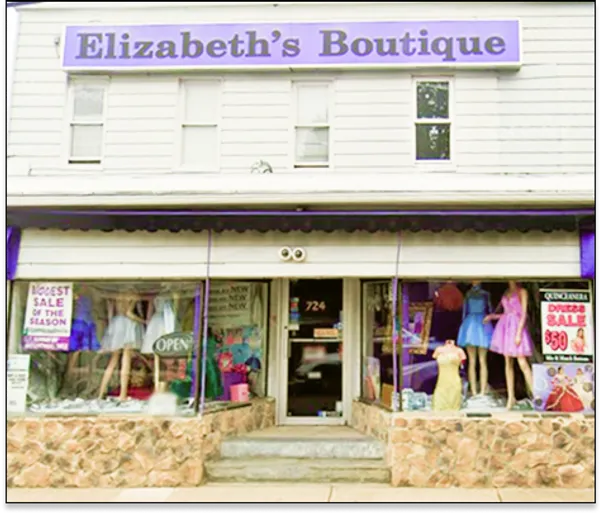
Our homecoming and semi-formal racks hold short styles from Juliet and Poly USA in sizes 000 to 28, most of them on the floor to try on the same day. Alterations are done in house, so a hem, a take-in or a modesty panel is a matter of days rather than weeks, and layaway is free with no interest and no fee.
We are at 724 Cedar Avenue in Scranton, with free parking in our own lot behind the building. Walk in Monday, Tuesday or Thursday 12:30 to 6, or Saturday 11 to 3. Bring the shoes. Call (570) 354-6149 first if you want to know what is in your size before you drive over.
Read next: what to wear and what the dress code means, Homecoming 101, and the 2026 trends.